Category: Refit

DIY Wooden Dinghy

For many years, we’ve been trying out all sorts of different dinghies for getting to and from our anchorage, and we’ve never been truly satisfied. Inflatable boats are delicate, very difficult to row, and for distances over 100 m, they’re really only usable with an outboard motor. Plastic folding boats like the banana boat are more robust, but you feel like you’re in a wobbly yogurt cup, and unfolding and assembling them on deck is a nightmare every single time.


Until now, due to a lack of space on deck or at the stern of our 39″ sailboat, we had no other choice. Now that we’ve sold the sailboat and switched to a 39″ motorcutter equipped with two sturdy davits at the stern, we have the option for the first time to carry a permanent dinghy that we can quickly and easily hoist up or lower at the stern as needed.
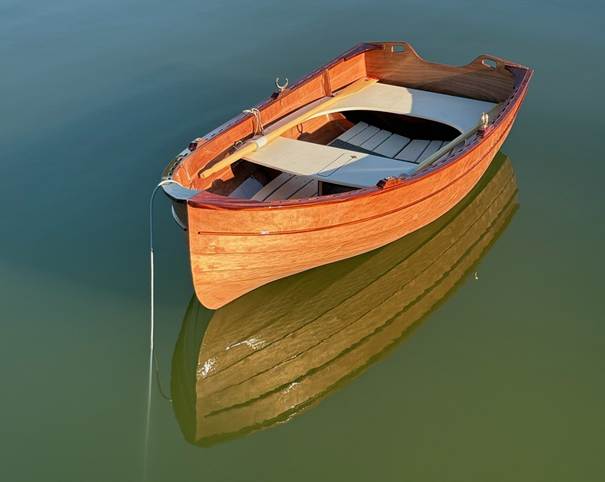
However, finding a suitable dinghy turned out to be no easy task. It shouldn’t be much longer than 10” so that it wouldn’t protrude sideways over the cutter’s gunwale and wouldn’t collide with the pier wall or lock wall when docking or undocking. Furthermore, it shouldn’t be too heavy, should look reasonably presentable, and should match the boat’s color. Ideally, it should also be sailable, so that in addition to its transport function, it would offer recreational value as well. And last but not least, it should, of course, be affordable.

To make a long story short: my search on various websites during the winter months didn’t turn up any truly useful results. Instead, I kept coming back to the idea of building my own boat out of wood. There are some very interesting methods and options available for this, both in traditional boatbuilding and the modern stitch-and-glue method.
Read my review here


Building a skylight

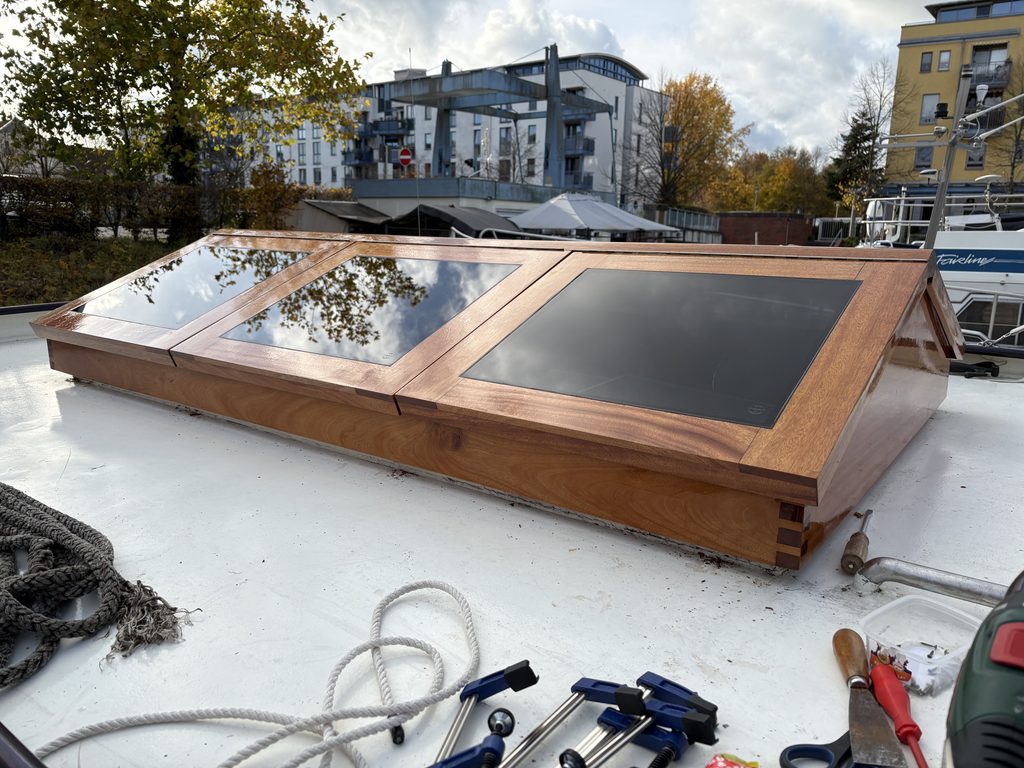
Building a classic mahogany skylight from scratch on a Dutch motor cutter. The result is a structure made of fine wood and glass. Read the report here.


Lewmar Ocean windlass – drive unit replacement

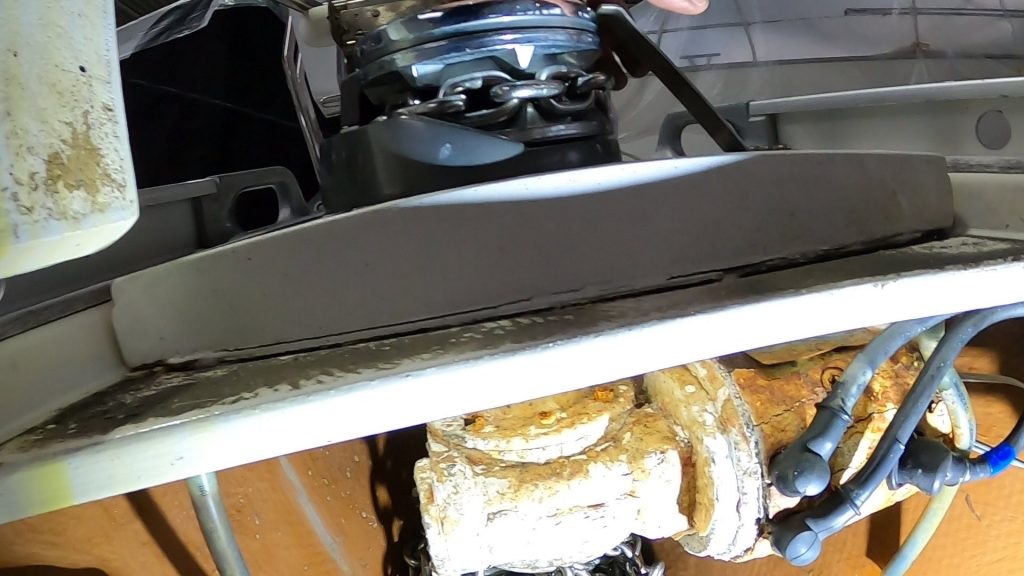
Yum at the top and bum at the bottom? It was really high time for a replacement of the drive unit. You can find a report here or a short video here.


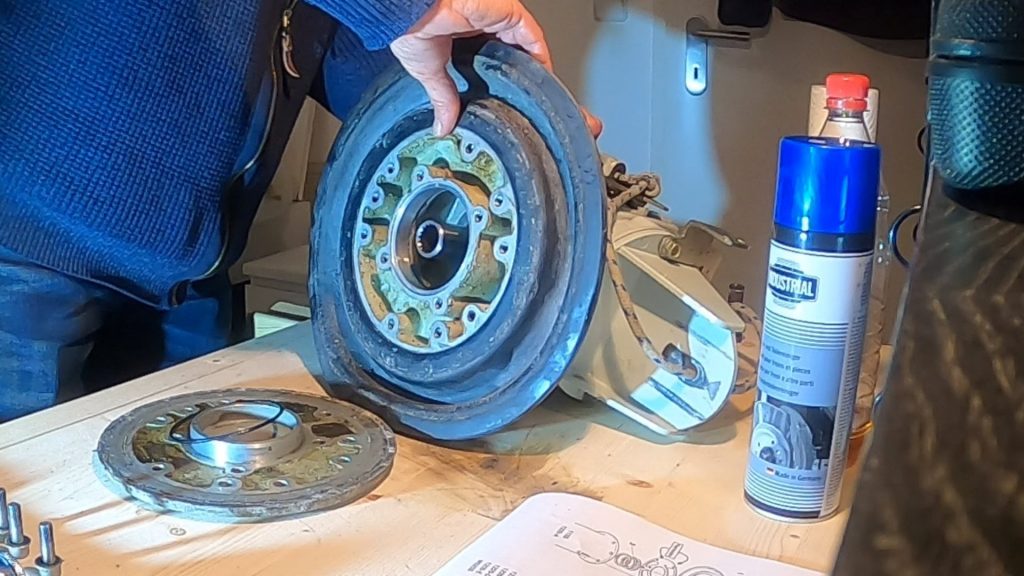
Saildrive diaphragm – replace according to instructions or just keep?

For the Volvo Penta Saildrive (S 120), the prescribed maintenance cycle for changing the diaphragm is 7 years. In regard to the diaphragm, which is made of more than 5 mm thick special rubber and should not be exposed to any significant mechanical or chemical stress under normal circumstances, this is quite a sporty rhythm..

I have owned my boat for over 10 years without ever having replaced the diaphragm and assume that the previous owner never did either in the years before. As far as can be seen from the engine room, the old diaphragm was in excellent condition, only in the front hard-to-reach area under the engine was a yellowish coating visible, which I can not assess or explain.

If it were only a matter of the diaphragm, I would take my chances and continue to drive with the old diaphragm until there are serious signs of wear or leaks. Then there would still be enough time to react. If it wasn’t for the seacock for the cooling water supply at the saildrive. It is extremely sluggish and can hardly be operated properly. The plastic washer originally intended for the closing is no longer usable at all, because it has a much too small lever. The plastic square for the lock, on which the disc once sat, can still somehow be gripped and operated with aids, but it is not safe to handle and it is only a matter of time before the square will be round. An unfortunately well-known and safety-relevant problem.

Since the seacock can not be managed without the removal of the Saildrive, I decide to make nails with heads and replace the diaphragm and valve on this occasion. The exchange is a complex and also somewhat more demanding work, which can quickly cost up to 2,000 €, if a commercial service provider takes over. For this reason, I consider doing it myself and look on the Internet, what I can find so DIY instructions and experience reports.

By far the most detailed and instructive report I could find is from Chris, who runs the vlog “Sailing Britaly”. He describes the individual steps and also the unexpected challenges so detailed and clear that even I as a layman get the courage to try it on my own. I can only recommend to anyone who wants to do this work themselves to take a close look at Chris’ report: you can’t show it any smarter than this.   

Find here how I did it:

Experience report or watch the Video


Damage in Kattegat – rudder broken

Please find here an experience report about our severe rudder crashing incident in Kattegat.


More power on the saildrive?

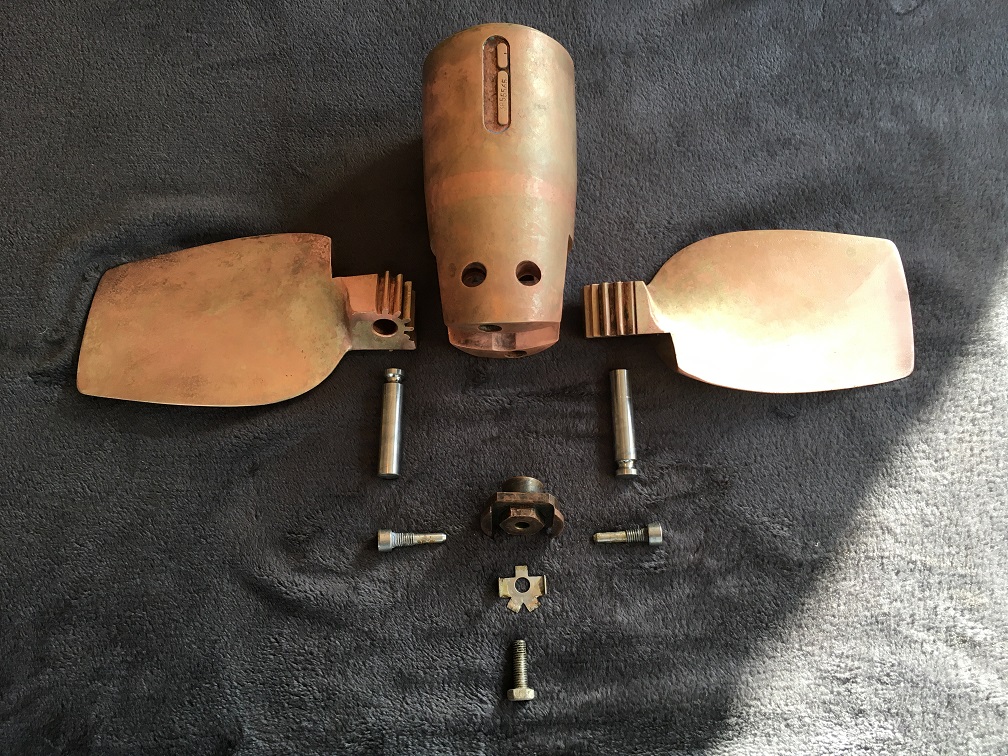
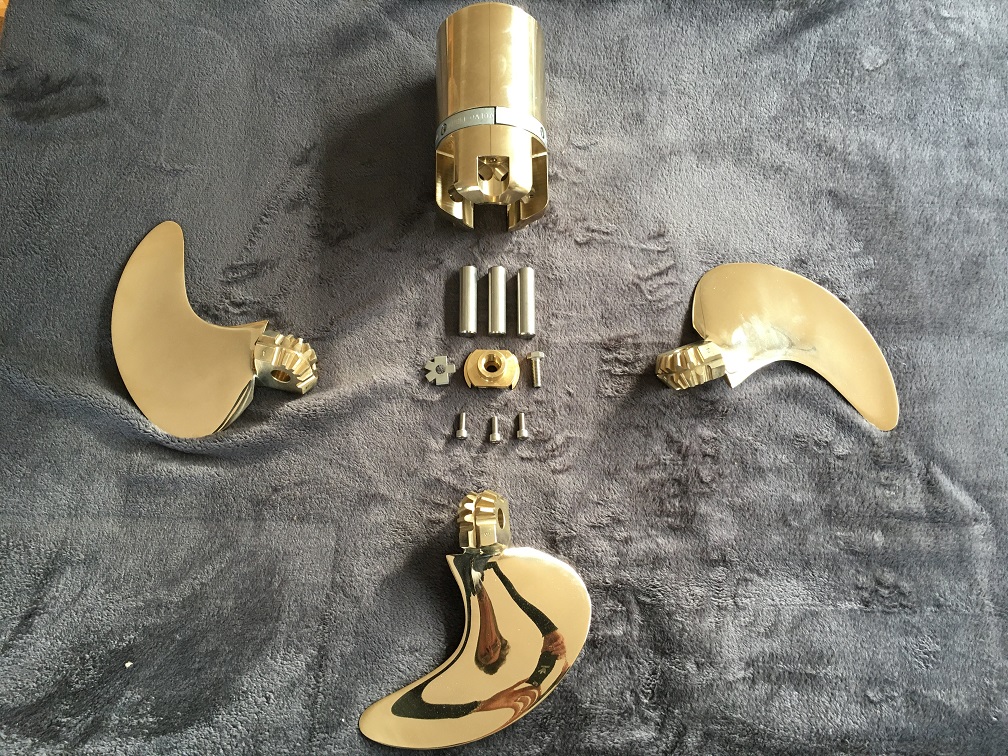
For 10 years now we have been sailing with a 2 blade folding propeller on the Saildrive and a Volvo Penta 2003 with 28 hp and every now and then I have wished for more power on the propeller in certain situations. Find here a report about the change from a 2 blade to a 3 blade Saildrive folding propeller.


Internet on board

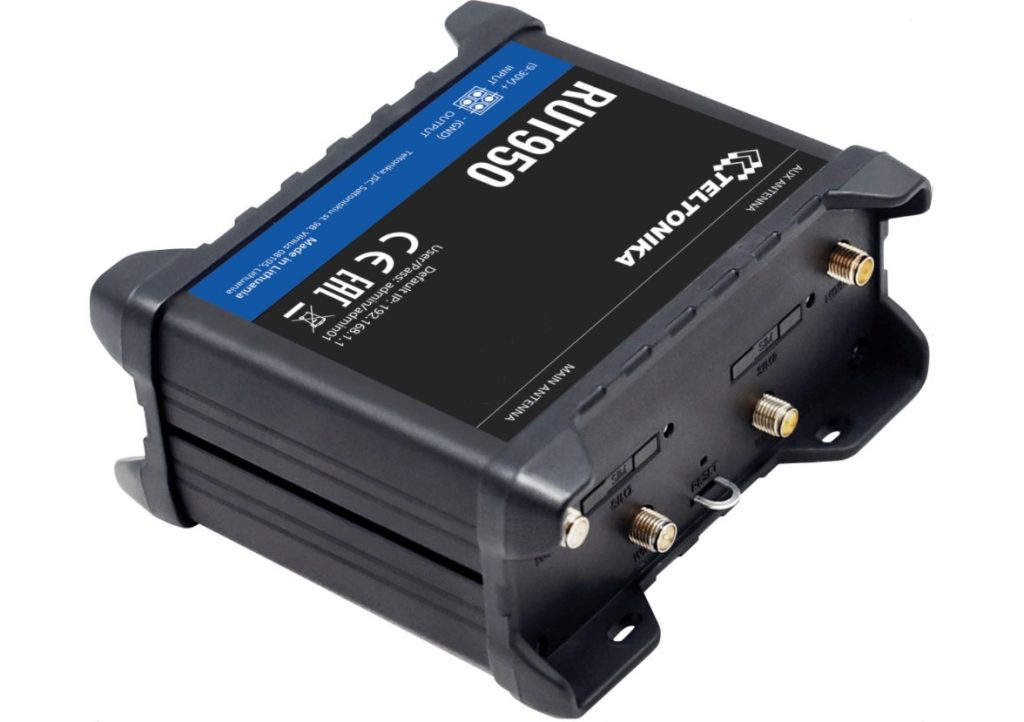
Please find here a field report on Internet on board (near shore) based on WiFi and mobile radio.


Low Budget Gangway

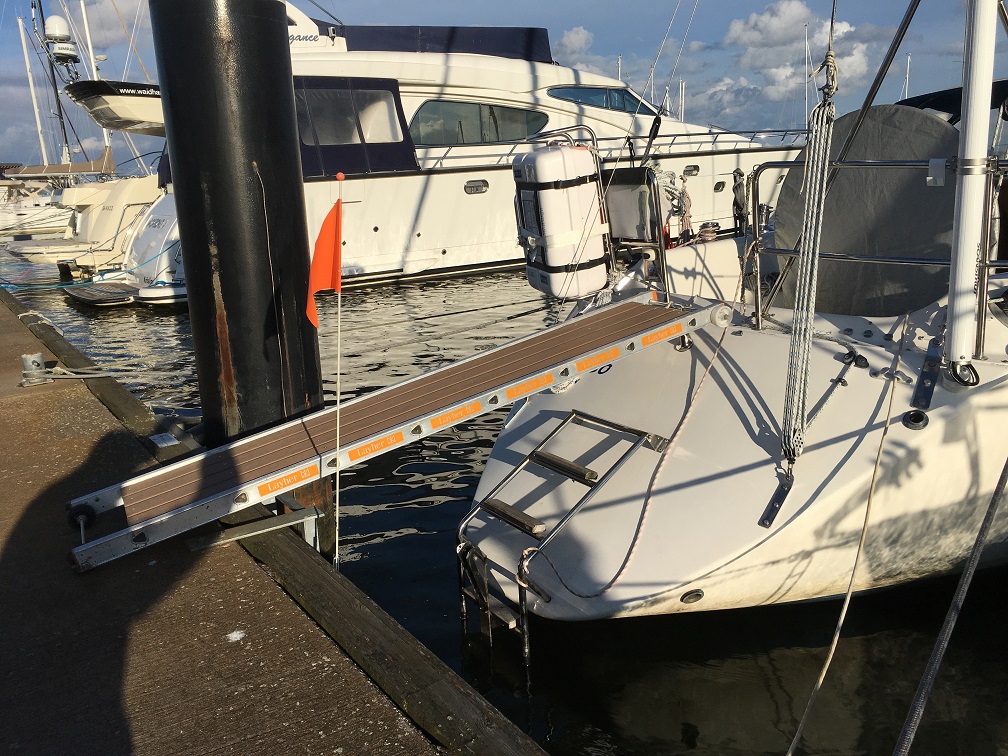
In summer we often lie “Roman Catholic” with the stern to the pier or bridge, if it fits halfway. Stepping over presented us with certain challenges due to the negative transom. To remedy this, we built a simple gangway that is halfway respectable, easy to handle and allows comfortable stepping over.

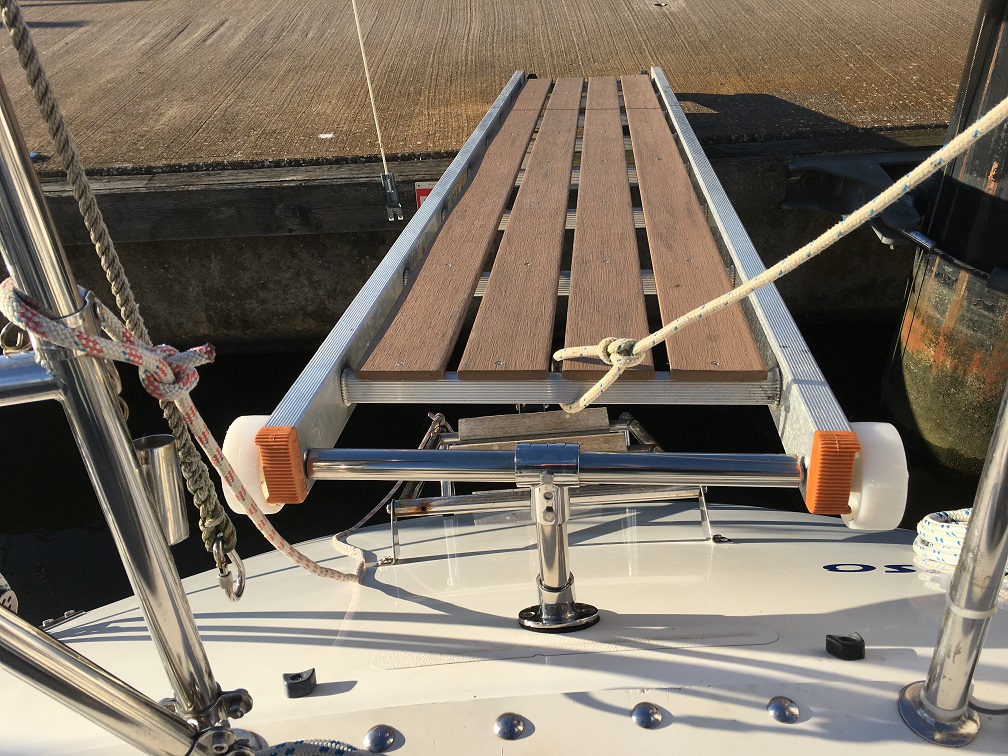
The basis is a simple 2.40 m long aluminium ladder from the DIY store. On one side of the rungs I screwed 10 mm thick plastic planks – also from the DIY store. At the upper and lower ends I inserted 12 mm threaded rods between the rails and put simple wheels on the threaded ends. On the shore side, the gangway lies on the wheels and simply rolls freely back and forth according to the ship’s movements.

At the on-board end, I pushed a piece of 25 mm stainless steel pipe over the threaded rod and a rubber hose. Attached to this is a corresponding T-piece that takes a short piece of stainless steel pipe for the bracket.

This means that the gangway can be deployed in just a few steps after mooring and can also be retrieved before casting off.

Material requirements and costs are kept within reasonable limits:

MaterialPreis ca.
 
1 Aluminium Leiter ca. 2,50 m          40,00 €
1 Gewindestab 12 mm Edelstahl            6,00 €
1 Stück Gartenschlauch 
1 Edelstahl Rohr 25 mm          20,00 €
4 Stoppmuttern + U-Scheiben 12 mm Edelstahl            4,00 €
T-Verbinder für 25 mm Rohr Edelstahl          16,00 €
40 Senkkopfschrauben 5 x 20 Edelstahl            4,00 €
4 Rollen, Vollgummi oder Polyamid          20,00 €
4 x 2m PVC Fußleisten für den Aussenbereich          24,00 €
 
 Summe:       134,00 €

Cleaning bronze propeller

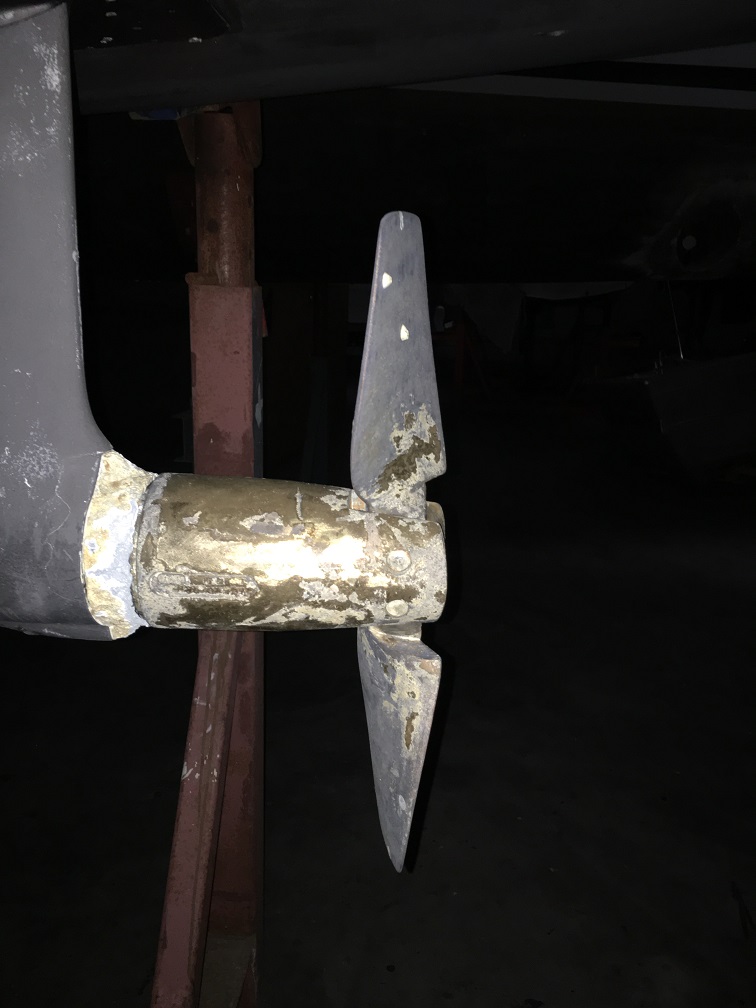
Every year in winter it’s the same: either you ignore the propeller, which is soiled with lime and algae growth, or you clean it laboriously. All methods, mechanical or chemical, that I have tried so far have been unsatisfactory and tedious. This winter I tried it with simple vinegar essence (20%) and the result amazed me. Here is a short video about it.


Timezero Navigator connected to Furuno DRS4D-NXT

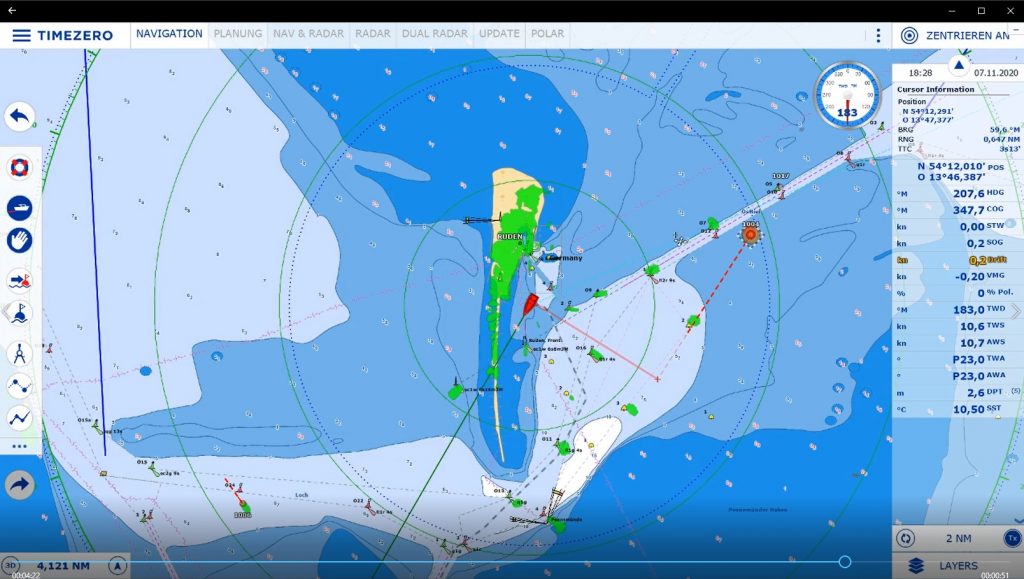
Please find here an user experience report about Timezero Navigator connected to Furuno DRS4D-NXT.